The 3 Year Degree Programme in Interior Design at Mantra Institute is a comprehensive and industry-oriented program designed to transform creative ideas into professional interior design solutions. The course provides students with the knowledge, technical expertise, and practical experience required to design modern residential, commercial, hospitality, and retail spaces.
Over six semesters, students develop a strong foundation in design principles, visual communication, drafting, space planning, furniture design, materials, lighting, 3D visualization, project execution, and client presentation. The curriculum integrates creative design thinking with industry-standard software, live projects, internships, and portfolio development, ensuring graduates are fully prepared for careers in the rapidly growing interior design industry.
Students gain hands-on experience using professional tools such as Adobe Photoshop, Illustrator, CorelDRAW, AutoCAD, SketchUp, 3ds Max, V-Ray, Lumion, Premiere Pro, and After Effects, enabling them to confidently handle every stage of an interior design project—from concept development to final presentation and execution
The first semester establishes the creative and visual foundation essential for every aspiring interior designer. Students learn the fundamentals of design, drawing, colour theory, composition, typography, and branding while developing observation, visualization, and presentation skills. Alongside traditional design techniques, they gain proficiency in professional graphic design software to create impactful visual concepts and presentations
LEARNING MODULES
SOFTWARE COVERED:
Modern interior designers must communicate their ideas effectively through engaging visual presentations. This semester focuses on digital storytelling, video editing, motion graphics, photography, presentation design, and AI-powered creative tools. Students learn to produce professional presentation videos and promotional content that enhance project visualization and client communication
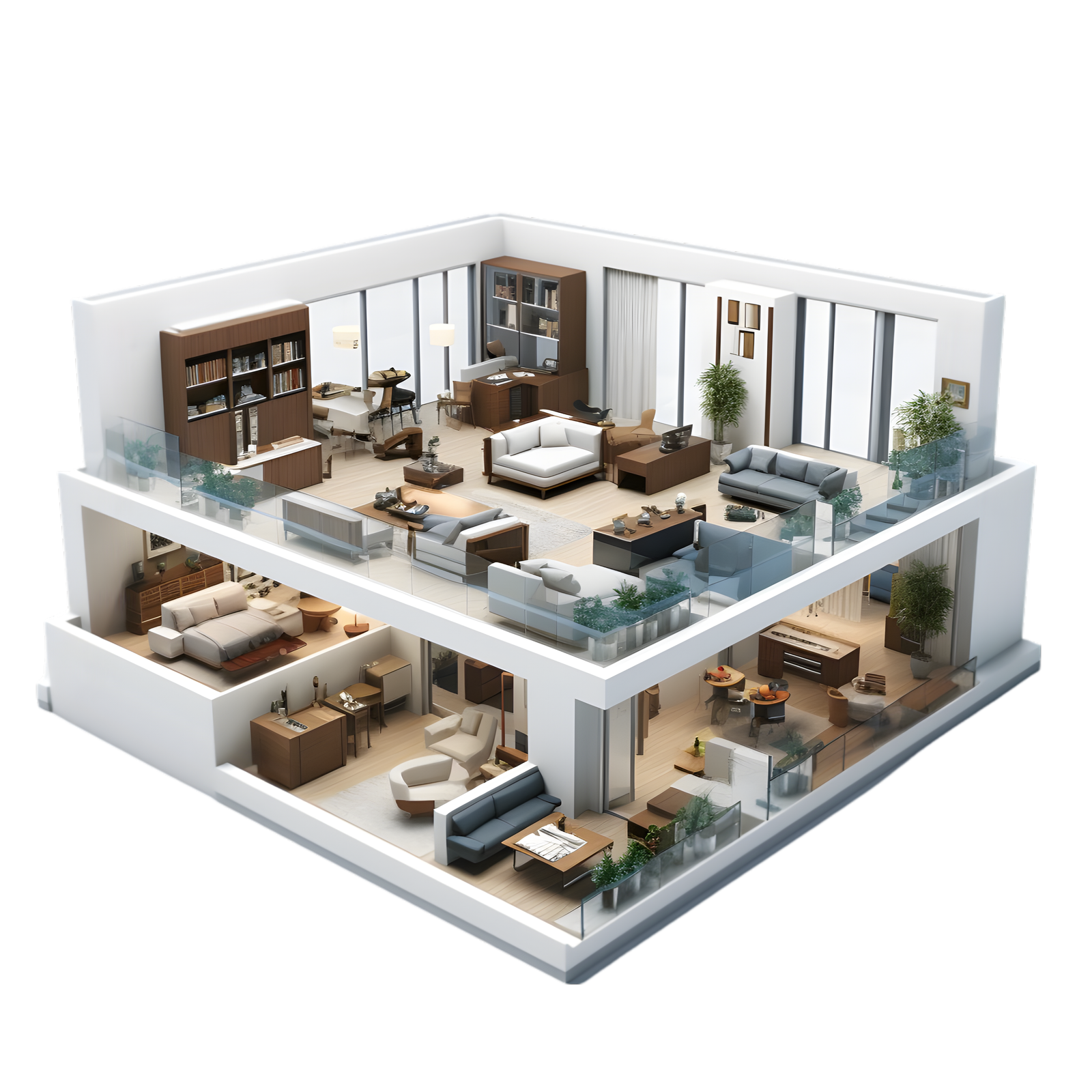
This semester marks the beginning of professional interior design education by focusing on residential spaces. Students learn how to plan functional layouts, design furniture, select materials, prepare technical drawings, and create realistic 3D visualizations for homes and apartments. Practical projects help them understand real-world residential design workflows
The fourth semester expands students' knowledge into commercial interior design, where functionality, aesthetics, branding, and user experience come together. Students design offices, retail stores, cafés, restaurants, hotels, and showrooms while mastering advanced visualization, lighting techniques, working drawings, and estimation methods used by professionals
In the fifth semester, students move beyond designing concepts to understanding project execution. The curriculum focuses on luxury interiors, modular furniture, construction detailing, site supervision, project management, costing, and live client projects. Students develop the confidence to manage complete interior projects from planning to execution.
The final semester prepares students for a successful professional career by combining industry exposure with portfolio development and career preparation. Through internships, live client assignments, final jury projects, and placement training, students build a strong professional portfolio while developing communication, presentation, and freelancing skills required in today's competitive interior design industry.
In addition to the core Interior Design curriculum, students can choose from the following elective specializations to enhance their skills, expand their career opportunities, and gain multidisciplinary knowledge.
1. DIGITAL MARKETING
Learn how to promote brands, businesses, and design services through digital platforms while developing strong online marketing and lead generation skills
Topics Covered
2. JOURNALISM & MASS COMMUNICATION
Develop effective communication, writing, and presentation skills for print, digital, and broadcast media, helping students build confidence in professional communication
Topics Covered
3. WEB DESIGN & DEVELOPMENT
Learn to create responsive and user-friendly websites using modern web technologies, enabling students to build professional portfolio websites and digital business platforms.
Topics Covered